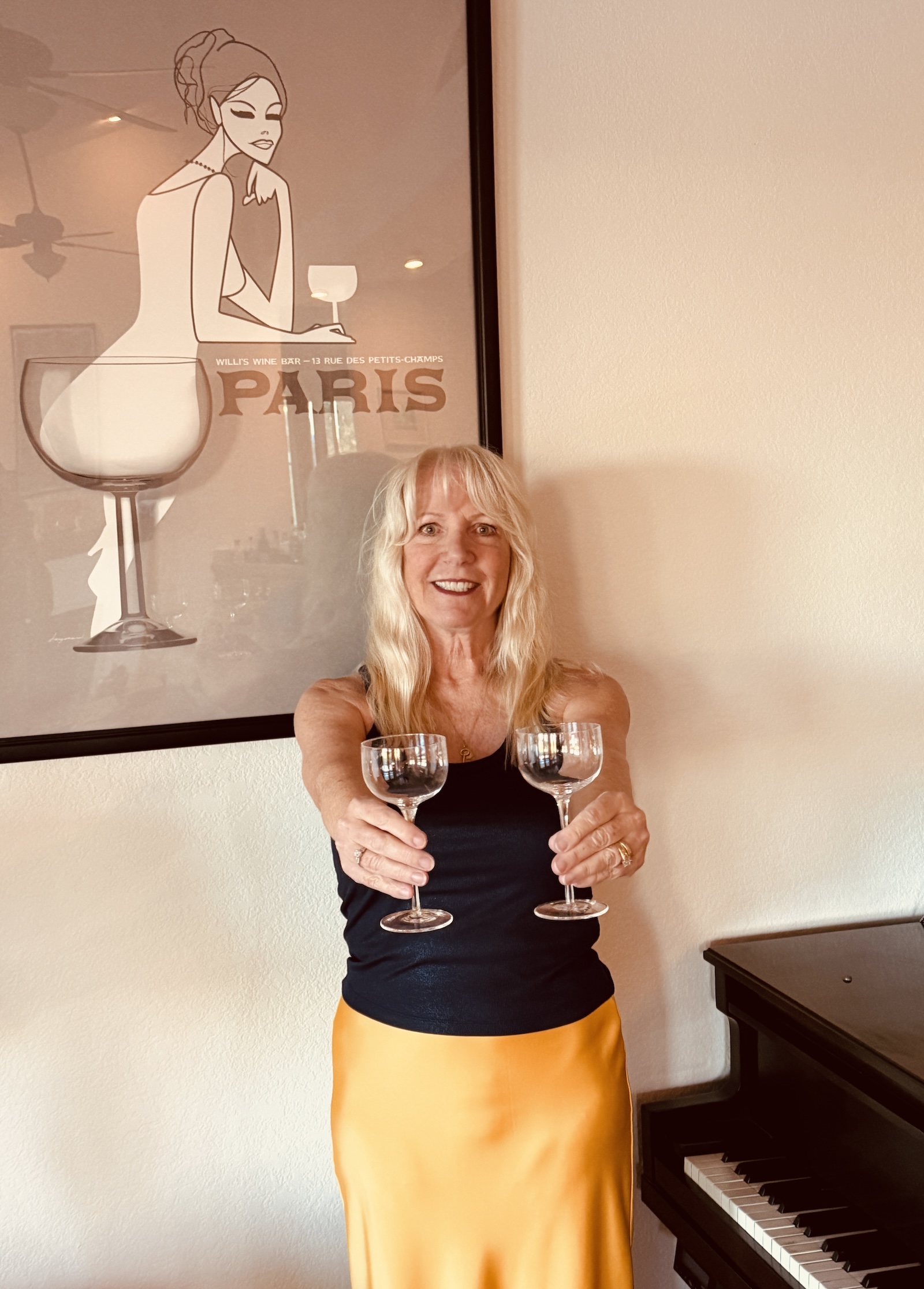







About a year ago I was interviewed about wine glasses. I thought that people here might also enjoy reading the interview and maybe learning something new.
1. What is the difference between red wine glasses and white wine glasses? Can you explain the differences in the bowl size (height and width), and the size of the glass opening, and why are they different? How do these affect the aroma and flavor of the wine?
EB: Typically, a red wine glass has a larger bowl than a white wine glass. From there you can also find glasses for common wine varieties. For instance, the glass for a Pinot Noir and Chardonnay is the widest, with a large bowl and a wider opening on top. The wider glass is believed to show the aromas of a delicate wine better than a narrow glass. For Champagne, commonly served in a flute, the aromas can be closed off. So, most wine reviewers will opt for a white wine glass when evaluating a Champagne or any sparkling wine.
2. What is a universal wine glass? How does it differ from wine-specific glasses? (You can work your answer into the first question if that’s easier.)
EB: A universal wine glass is typically a red wine glass as most aromas and flavors can be detected easily in those types of glasses. Think of the glasses commonly used in restaurants. Most average restaurants use a heavy universal glass for the simple reason – it doesn’t break as easily in their industrial dishwashers.
3. What is the best material for wine glasses? (Glass, crystal, combo of different materials?) Which material is the best/highest quality? Do these different materials impact the taste and/or smell of the wine?
EB: There are theories about different types of glass, to me glass is glass. Crystal is a no-no if it’s cut crystal, as it’s very difficult to evaluate color through.
4. Does the thickness of the wine glass matter? Specifically, the thickness of the rim? Does the thickness of the wine glass indicate the quality of the product?
EB: As mentioned above, in question #2, a thicker glass is just easier to clean without threat of breakage. However, the thicker the glass creates a higher perception of cheap quality.
5. Is the length of the stem important? Does the thickness of the stem matter?
EB: There should be a stem to hold onto, as to not smudge a glass with fingerprints. Riedel developed the stemless glass only because some kitchen cabinets don’t have the space for stemware. A long slender stem is considered of high quality. In fact, the thinner a glass and/or stem denotes quality in general.
6. Stemmed glasses vs. stemless: What are the pros and cons of each? (wine temperature, stability, etc.?)
EB: See my answer on #5
7. Is there an ideal glass volume? How many ounces in a standard wine pour?
EB: A wine should never be poured beyond the widest point of the bowl. This way the wine drinker has room to swirl and capture aromas. If you want a number, in the U.S. a standard pour is five ounces but can vary.
8. Are expensive wine glasses worth the cost?
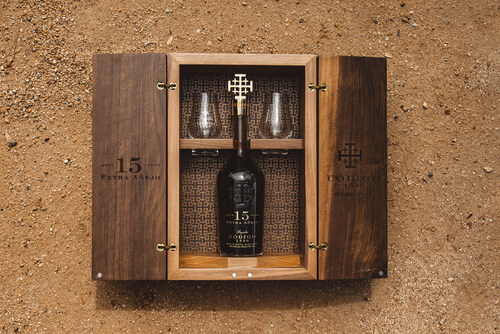
EB: That would be entirely subjective, what to pay for a wine glass. I recently was invited to review a $1,000 glass! We tasted the same wine side by side with a well-known brand and yes; it was better in the pricier glass. But when I approached pals with incredible wine cellars, they couldn’t imagine that their wine investments would be any better in a glass that cost as much as some of their bottles.
9. What is the best way to clean wine glasses? Do you handwash them or do you put in the dishwasher?
EB: If your wine glasses are delicate then hand wash by all means. If they are thick glass, and they fit standing up in your dishwasher, then that would be fine. Keep in mind that restaurants must use dishwashers for the volume of glasses they go through, and that works just fine as well for them.
Eve Bushman has a Level Two Intermediate Certification from the Wine and Spirits Education Trust (WSET), a “certification in the first globally-recognized course” as an American Wine Specialist ® from the North American Sommelier Association (NASA), Level 1 Sake Award from WSET, was the subject of a 60-minute Wine Immersion video (over 16k views), authored “Wine Etiquette for Everyone” and has served as a judge for the Proof Awards, Cellarmasters, LA Wine Competition, Long Beach Grand Cru and the Global Wine Awards. You can email Eve@EveWine101.com to ask a question about wine or spirits.